Discover breast implants Cape Town for natural-looking results with professional care
Discover breast implants Cape Town for natural-looking results with professional care
Blog Article
Selecting the Perfect Breast Implants: A Comprehensive Guide to Sizes, Shapes, and Options
Selecting the appropriate breast augmentation options demands careful consideration of multiple factors. Considerations such as body type, aesthetic goals, and daily habits are crucial in the decision-making process. Understanding the differences between silicone and saline implants, along with find this resource size and shape implications, is important. Speaking to a experienced plastic surgeon can offer personalized insights. However, many women neglect how their way of life can significantly impact this decision. What aspects should one focus on when making such a significant choice?
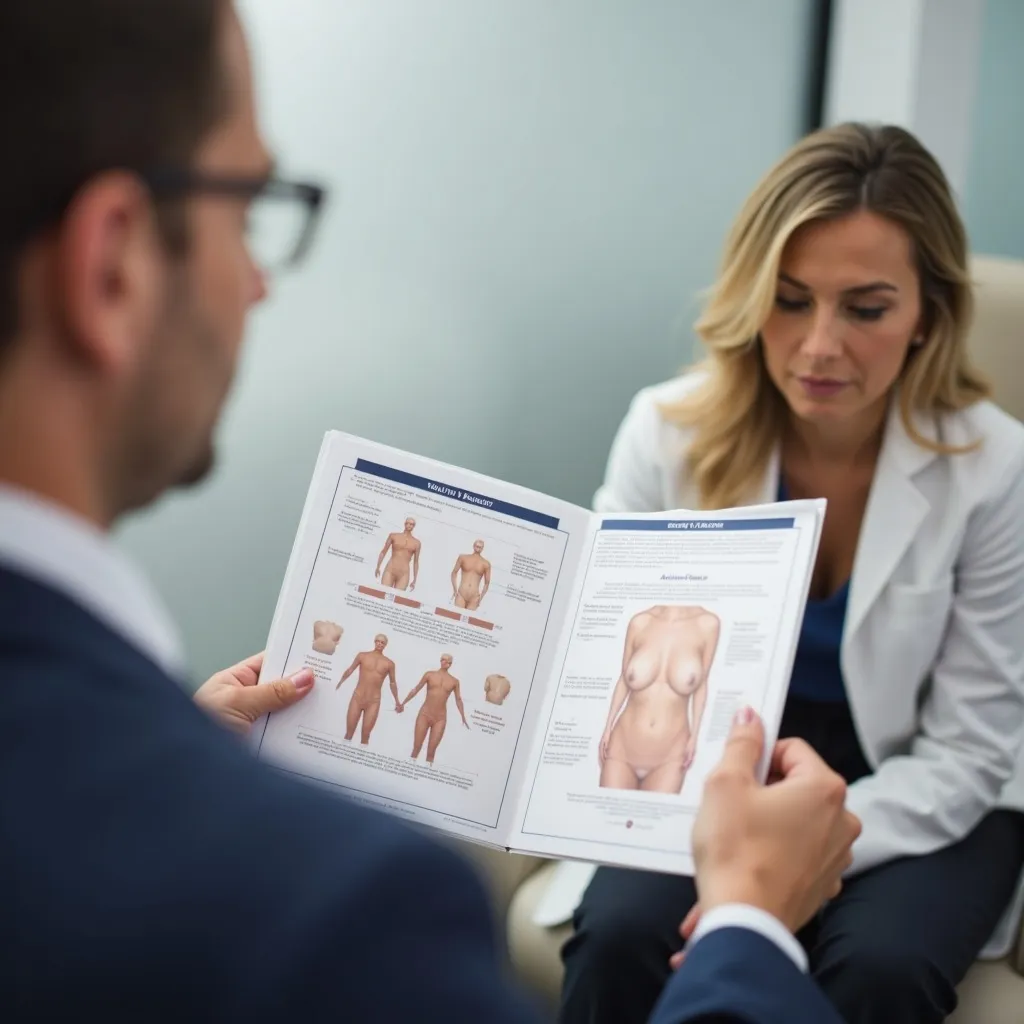
Methods to Determine the Most Suitable Breast Implants
How can one select the ideal breast implants? The selection process involves multiple essential elements. First, the individual’s body type and proportions play an vital role; implants should enhance the natural silhouette without dominating the frame. Second, personal goals and desired outcomes must be considered. Some may want a subtle enhancement, while others desire a more significant change. Consulting with a expert plastic surgeon is vital, as they can offer professional insights and recommend appropriate options based on the individual’s anatomy.
Furthermore, life circumstances including activity level and comfort should influence the decision. It is equally important to understand the potential for forthcoming changes, since factors like age and fluctuations in weight can affect breast appearance over time. Ultimately, choosing the right breast implants requires a balance between personal preference and professional guidance to achieve satisfying results.
Comprehending Breast Enhancement Categories: Saline vs. Silicone
When considering breast implants, understanding the distinctions between saline and silicone options is paramount for making an informed decision. Saline implants are contain sterile salt water, allowing adjustable volume during surgery. They are generally firmer and can be identified more easily if a rupture happens. Additionally, the incisions needed for saline implants can be smaller.
Conversely, silicone implants hold a cohesive gel that closely mimics the feel of natural breast tissue. This choice often delivers a more natural appearance and is less likely to show rippling. However, spotting a rupture can be more difficult with silicone implants, as they may not collapse noticeably.
Both varieties come with their own collection of advantages and disadvantages, and the decision ultimately relies on personal preferences, way of life, and wanted outcomes. Speaking with a experienced surgeon can additionally help in making the best decision.
Selecting the Perfect Fit for Your Body
Picking the appropriate implant size is vital for gaining a proportionate aesthetic. It entails reviewing individual body dimensions and grasping the precise dimensions of the implants. This careful consideration assures that the selected size complements the overall physique in a pleasing way.
Examining Your Body Ratios
Reviewing body proportions is fundamental for selecting the ideal breast implant size. Understanding how breast implants will complement a person's unique physique means factoring in elements such as shoulder width, waist size, and overall body shape. A balanced plan guarantees the implants enhance natural outlines instead of creating disproportion. For example, those with broader shoulders might choose larger implants, while people with more petite builds may benefit from smaller sizes. Height also plays a key role; taller individuals generally accommodate larger implants more naturally than shorter ones. Ultimately, the goal is to attain a harmonious appearance that reflects personal aesthetic wishes, while also sustaining a proportionate look that improves body symmetry. Consulting with a skilled professional can deliver tailored advice for every unique case.
Learning About Implant Sizing
Determining the correct breast implant size involves a solid understanding of implant dimensions, which include volume, projection, and base width. Volume, measured in cubic centimeters, plays a direct role in the fullness of the breast; greater volumes create a more pronounced effect. Projection defines how far the implant protrudes from the chest wall, influencing the breast’s overall contour. Higher projection implants create a more dramatic look, while reduced projection offers a subtler profile. Base width guarantees the implant aligns with the natural breast width, promoting a balanced appearance. By carefully considering these dimensions, individuals can achieve results that blend with their body proportions, improving both aesthetics and comfort. Consulting with a qualified surgeon is essential for personalized recommendations.
Contrasting Circular and Tear-drop Configurations
When examining implant shape selections, individuals often ponder how the differences between teardrop and round options will influence their overall visual impression. Round implants are characterized by a uniform shape that gives fullness at the top, creating a more striking cleavage. They tend to offer a more youthful look and are versatile in placement, establishing them a popular choice for many.
In contrast, tear-drop implants are designed to mimic the organic contour of the breast, with greater volume at the bottom. This shape can lead to a more natural appearance, especially for people seeking gentle augmentation. However, teardrop implants require accurate positioning, as they can shift if not positioned correctly.
Ultimately, the choice between circular and drop-shaped shapes depends on personal aesthetic goals, body type, and living habits. Speaking to a experienced professional can help people reach well-researched choices tailored to their unique needs.
Prosthetic Positioning: Muscle-based Comparison with Gland-based
The evaluation process about breast implants extends beyond shape to add placement options, notably submuscular and subglandular positioning. Submuscular placement involves positioning the implant beneath the chest muscle, which can provide a more lifelike appearance and reduce the risk of complications such as capsular contracture. This method often generates less visibility of the implant edges, especially in women with less natural breast tissue.
In contrast, sub-glandular positioning positions the implant above the chest muscle but beneath the breast mammary tissue. This approach can lead to a shorter recovery time and simpler access during future surgeries. However, it may result in a more pronounced implant appearance, particularly in women with limited breast tissue. Ultimately, the choice between these placements should be determined by individual anatomy, lifestyle, and personal preferences, as well as consultation with a qualified surgeon to determine the most suitable option.
Assessing Textured versus Smooth Implant Materials
When considering breast implants, the decision between textured and smooth materials is essential outcomes and patient satisfaction. Textured implants are often recognized for their ability to minimize the risk of displacement and capsule formation, while smooth implants are appreciated for their natural feel and easy adaptability. Each type brings unique advantages that impact a patient’s decision based on their personal goals.
Textured Implant Positive Aspects
Extensive studies highlight the merits of textured breast implants compared to their smooth alternatives. Textured implants work by lower the possibility of capsular contracture, a typical complication where fibrous tissue accumulates around the implant, resulting in discomfort and cosmetic problems. The textured composition promotes attachment to neighboring tissue, aiding in maintain the implant's placement and preventing migration. Also, certain research suggests that textured implants may offer a more natural appearance and sensation, as they can more accurately replicate the breast's contours. Moreover, textured implants establish an improved connection with the body, fostering stability over time. These qualities make textured breast implants an compelling choice for many individuals seeking breast augmentation.

Smooth Implant Rewards
natural movement of breast tissue. Their surface allows for easier surgical
How Your Daily Routine Determines Your Implant Choice
Although individual preferences play a significant role in choosing breast implants, lifestyle factors can heavily influence this decision. For people who are active, such as athletes or gym devotees, implant type and size may need thoughtful evaluation to prevent discomfort during physical activities. Selecting a smaller implant may be advantageous for those who participate in high-impact sports.
Moreover, an person's profession can determine implant selection—those in positions requiring formal wear might lean toward a understated aesthetic, while others may go for a pronounced look.
Additionally, elements like parenting duties or how often you travel could dictate the requirement of low-maintenance options.
Ultimately, understanding how lifestyle intersects with visual objectives is essential in making an informed decision. This comprehensive strategy ensures that the chosen implants integrate smoothly with everyday activities, improving both comfort and confidence.
Regularly Asked Inquiries
What Duration Can You Expect From Breast Implants Before Requiring Replacement?
Breast implants generally remain viable for between 10 to 15 years before they may require replacement. Elements including overall health, lifestyle, and implant type can determine longevity, making regular check-ups essential for monitoring their condition.
What Constitute the Potential Threats and Problems of Breast Implants?
Breast implants may result in infection, scarring, implant rupture, capsular contracture, and changes in nipple sensation as possible dangers and adverse effects. Regular consultations and monitoring with a healthcare provider are indispensable for properly addressing these risks.
Will Surgical Breast Enhancement Affect Breastfeeding or Mammographic Screening?
Breast implants can potentially impact mammograms and breastfeeding. Some women may encounter challenges with lactation or milk delivery, while mammograms might require special techniques to guarantee proper imaging and identification of irregularities.
Describing the Post-operative Process Following Breast Implant Surgery
The recovery phase subsequent to breast implant surgery usually entails swelling, bruising, and tenderness, enduring for several weeks. Patients are encouraged to refrain from strenuous activities and observe their surgeon's guidelines to guarantee proper healing and ideal results.
Do Age Limitations Apply for Breast Implant Surgery?
Age restrictions for breast implants typically necessitate individuals to be at least 18 for saline implants and 22 for silicone implants. Surgeons often consider physical and emotional maturity alongside age when determining suitability for surgery.
Report this page